The Master Implementation Guide
A definitive walk-through for establishing high-integrity data replication on Apple hardware. We move beyond simple copying into true technical preservation.
Phase One
The Hardware Foundation
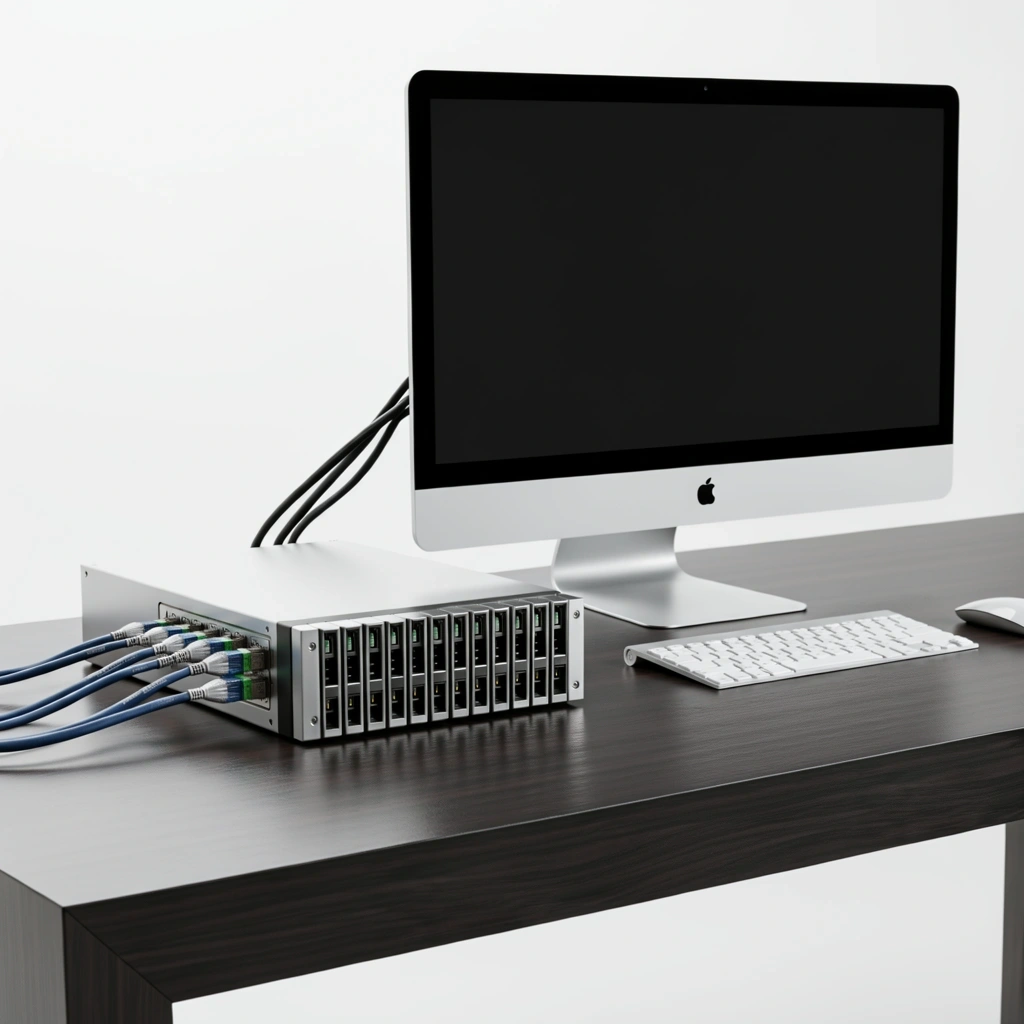
Before initiating a carbon copy cloner task, the physical medium requires validation. For modern Apple systems, APFS (Apple File System) is the mandatory formatting standard for bootable volumes. We recommend high-speed flash-based external drives connected via Thunderbolt to ensure data throughput remains consistent during heavy replication cycles.
Phase Two
Task Definition
A successful backup mac routine relies on selecting the correct source-to-destination logic. Within your chosen utility, you must define the "Source" (your internal drive) and the "Destination" (the external volume prepared in Phase One).
Effective guide practices suggest excluding cache folders and temporary system files to keep the resulting clone lean and responsive. Most modern utilities provide a "SafetyNet" feature—use this to protect unique files that only exist on the destination drive from being accidentally overwritten.
Automation & Scheduling
Stability is born from consistency. A manual routine is a prone-to-failure routine. We move toward automated carbon copy cloner cycles.
The Smart Cycle
Set your tasks to trigger upon drive connection. This "Plug-and-Run" logic ensures that every time your disk is attached, the delta is updated immediately.
- • Event-driven
- • Zero manual input
Integrity Checking
Configure bit-level checksum verification once a month. This process reads the source and destination simultaneously to verify no bit-rot has occurred.
- • Checksum logic
- • Monthly audit
Remote Notification
Link your task execution to email alerts. You should only be notified if a task fails or if the destination disk is nearing total capacity.
- • Log reporting
- • Failure alerts
Post-Cloning
Validation Procedures
Startup Volume Verification
After the first full clone, restart your Mac while holding the Option key. Select the external drive as your startup disk. If the desktop loads accurately, your safety net is functional.
Snapshot Management
Modern APFS snapshots allow you to roll back to specific moments in time without massive storage overhead. Use them to protect against localized data loss or corrupted updates.

Implementation Assistance
If your environment requires a more specialized configuration for high-volume media storage or server-level replication, our team at BombichBack is available for expert consultation.